

Rideshare and Delivery Drivers: Where Personal Auto Policies Stop
Most personal auto policies exclude driving for pay. See exactly where the gaps fall for rideshare and delivery drivers and how to close them.
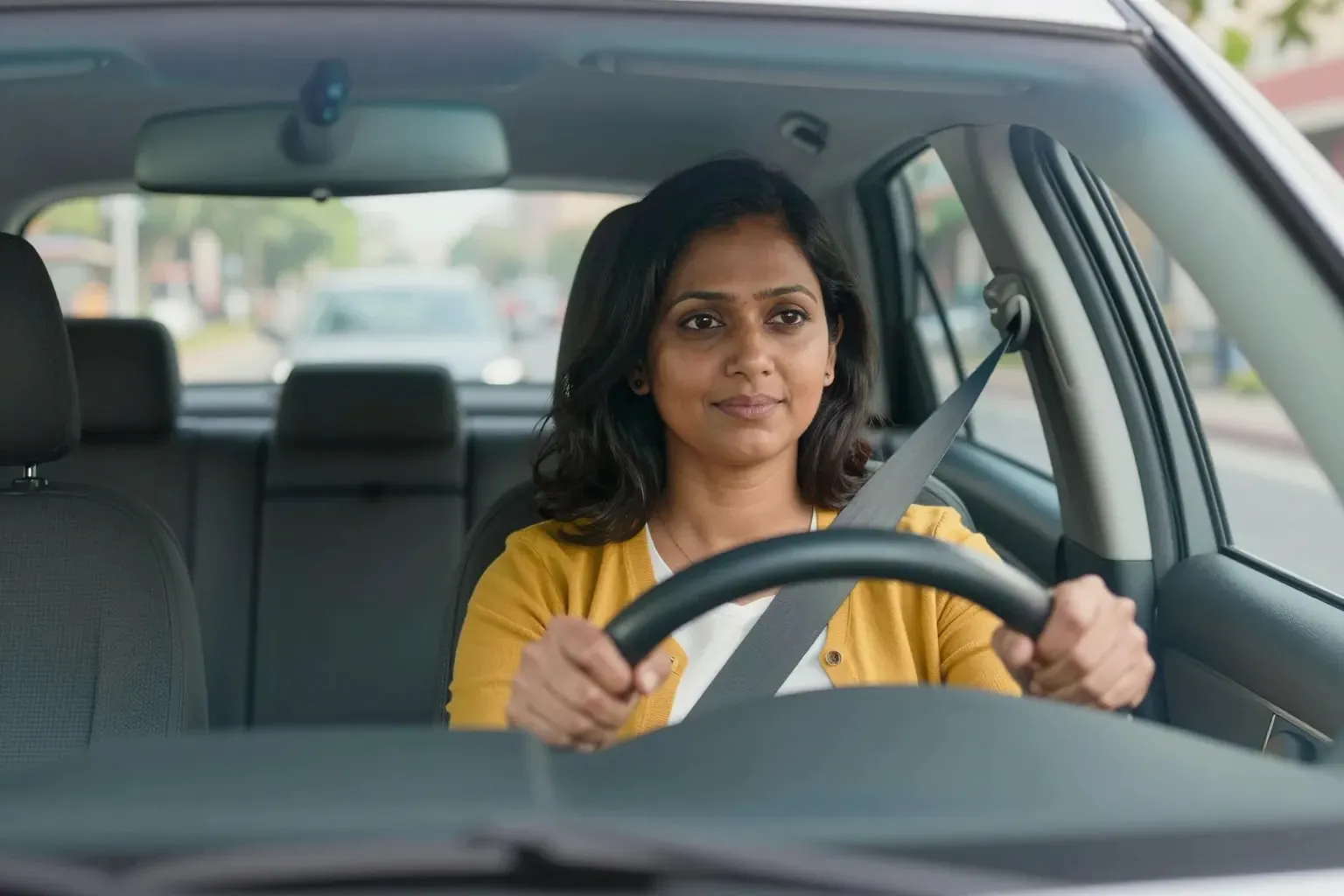
Bottom line: a personal auto policy is the right foundation for most self-employed drivers, but only if it’s rated for how you actually use the car. Commuting, driving to client meetings, delivering for an app and carrying passengers are different risks, and a personal policy treats them differently. Get the use right, carry liability limits that protect your income, and add gig coverage where your work needs it.
A personal auto policy usually fits if:
You probably need more than a standard personal policy if:
The Insurance Information Institute (opens in a new tab) groups personal auto into six basic coverages, and NAIC (opens in a new tab) lists the add-ons most people consider. Here’s how each one plays out for someone who earns a living from the driver’s seat.
| Coverage | What it pays for | Required? | Why it matters if you work for yourself |
|---|---|---|---|
| Bodily injury liability | Injuries you or an authorized driver cause to others | Required in most states | A lawsuit after a serious crash can reach your business income and savings |
| Property damage liability | Damage you cause to other cars and property | Required in most states | Hitting a late-model vehicle or a storefront adds up fast |
| Uninsured/underinsured motorist | Your injuries when the at-fault driver has no or too little insurance, including many hit-and-runs | Required in many states | You can’t fall back on paid sick leave while you recover |
| Personal injury protection (PIP) or medical payments | Medical costs for you and passengers regardless of fault; PIP also covers some lost wages | Required in no-fault states and some others | PIP’s lost-wage benefit can help replace self-employment income |
| Collision | Repairs to your car after a collision or rollover, minus your deductible | Optional by law; lenders usually require it | If the car is how you earn, downtime costs money |
| Comprehensive | Theft, vandalism, fire, flood, hail, falling objects and animal strikes | Optional by law; lenders usually require it | Cars parked outside client sites or overnight on the street face more of these risks |
| Rental reimbursement | A rental while your car is in the shop after a covered claim | Optional | Keeps you working; check whether a rental can be used for app work |
| Towing and labor | Roadside help such as towing | Optional | Fewer lost hours on a breakdown |
| Loan or lease gap | The difference between your loan balance and the car’s value after a total loss | Optional; sometimes required by lenders | High-mileage cars lose value faster than loans pay down |
A few examples from official sources:
Twelve states and Puerto Rico have no-fault laws (opens in a new tab): Florida, Hawaii, Kansas, Kentucky, Massachusetts, Michigan, Minnesota, New Jersey, New York, North Dakota, Pennsylvania and Utah. Kentucky, New Jersey and Pennsylvania let drivers choose between no-fault and traditional liability. If you live in one of these states, look closely at the PIP options, because the lost-wage benefit is one of the few auto coverages that speaks directly to self-employed income.
We don’t publish typical premiums because they depend too heavily on your details. NAIC (opens in a new tab) explains that insurers underwrite your risk and then rate it, and that claim frequency drives pricing. The factors that matter most:
For high-mileage drivers deciding whether physical damage coverage still pays for itself, see comprehensive vs. collision math for high-mileage drivers.
IRS Topic 510 (opens in a new tab) lists insurance among actual vehicle expenses and says only parking fees and tolls are deductible separately under the standard mileage rate. The IRS set the 2026 business standard mileage rate (opens in a new tab) at 72.5 cents per mile for January through June and 76 cents per mile for July through December. Which method makes sense is a question for your tax preparer, but a clean mileage log helps your tax return and your insurance application at the same time.
There’s no Open Enrollment for auto insurance, but timing still matters:
Working with us costs you nothing. Agencies like ours are paid by the insurance companies.
Your car is part of how you earn, so your policy should reflect that. Book a free consultation with a licensed agent and we’ll review how you drive, size your liability limits and show you exactly where your personal policy stops and other coverage needs to start.
Usually not on its own. The Texas Department of Insurance notes that most personal auto policies don't cover accidents while you drive for a ride-hailing service or deliver food or other items for a fee. Many insurers offer an endorsement for this, and the platforms provide their own coverage during certain app periods. We'll show you where each one applies.
Not always. Many personal policies can be rated for business use, which covers occasional driving to meet clients or visit job sites, but it has to be disclosed so the policy is rated correctly. Hauling goods, carrying paying passengers, putting signage on the vehicle or titling it to a business can push you toward commercial coverage.
Usually not for someone with income or assets to protect. Minimums vary by state. For example, California requires 30/60/15 and Texas requires 30/60/25, and Florida requires personal injury protection and property damage liability rather than bodily injury liability for most vehicles. A serious accident can easily exceed those numbers, and you can be personally responsible for the rest.
Collision pays to repair your car after it hits another vehicle or an object, or rolls over, minus your deductible. Comprehensive covers non-collision damage such as theft, vandalism, fire, flood, hail and animal strikes. Both are optional by law, but lenders usually require them on financed or leased vehicles.
In a no-fault state, your own personal injury protection pays your medical costs and some lost wages after an accident, regardless of who caused it. The Insurance Information Institute lists twelve states plus Puerto Rico with no-fault laws, and three of those let drivers choose between no-fault and traditional liability. If you live in one, the lost-wage piece of PIP matters a lot when you're self-employed.
In many states, yes. Insurers may use a credit-based insurance score, which estimates the likelihood of a claim rather than your ability to repay a loan. Some states restrict or prohibit certain uses, and the NAIC keeps a state-by-state chart. We can tell you how it works where you live.
It depends on the method you use. IRS Topic 510 lists insurance among actual vehicle expenses, and it says only parking fees and tolls are deductible separately when you use the standard mileage rate. Your tax preparer can tell you which method fits, and keeping a mileage log helps either way.
Maybe. The NAIC explains that usage-based programs can price you on miles driven, time of day, hard braking, fast acceleration and cornering. Lots of miles or late-night driving can count against you, while smooth driving can help. Ask how the program scores you before you enroll.
Any time you buy or replace a vehicle, move, add a household driver, start driving for an app or change how you use the car for work. The Texas Department of Insurance advises telling your insurer about a new car as soon as you can to avoid a lapse in coverage. Waiting until renewal can leave a claim exposed.
Last reviewed by the Copperline Licensed Agent Team on October 19, 2026.
Important information
Auto insurance rates, discounts and coverage options vary by state, carrier, driver and vehicle, and all discounts are subject to eligibility. State minimum liability requirements differ; minimum limits may not fully protect you after a serious accident.
Plans, benefits and pricing vary by state and carrier. Quotes aren’t final until the carrier issues a policy.

Most personal auto policies exclude driving for pay. See exactly where the gaps fall for rideshare and delivery drivers and how to close them.

Do you still need collision and comprehensive on a high-mileage work car? A worksheet for rideshare, delivery and road-heavy freelancers.
Owe more on your rideshare or delivery car than it's worth? How gap coverage works, why high mileage widens the gap, and the business-use catch to check.
Book a time with a licensed agent. We’ll line up health and auto options that fit how you actually earn, at no cost to you.